Almost nobody sets out to break a law abroad. What happens is quieter: a cold remedy that has sat in the same wash bag for three years, a vape in a jacket pocket, a photograph taken over a fence, a spare room booked through an app instead of a hotel. Each is ordinary at home, and each has put ordinary travellers in a customs office somewhere else.
The useful question is not which country has the strangest rule. It is which kinds of thing catch visitors out, because those categories repeat almost everywhere while the details change from border to border. This article takes them one at a time, so it is still useful for a country it never mentions.
Key takeaways
- A prescription is permission from your own health system, not from the country you are flying to.
- Devices are the fastest route into trouble — vapes, drones, satellite-enabled gadgets.
- Photography rules split in two: sensitive places, and other people.
- The paperwork ones are the least dramatic and the easiest to fix before you leave.
Ignorance Is Not a Defence
One principle sits underneath everything below. From the moment you arrive — in some cases from the moment your luggage does — you are subject to the law of the place you are in, not of the place you came from. Your nationality changes almost nothing about which rules apply; it changes only who you may telephone afterwards.
The instinct runs the other way. Travellers assume a doctor's letter travels, that a legal purchase stays legal, that a tourist gets a warning. Sometimes all three hold; none is a guarantee.
| Category | Where it bites | Check first |
|---|---|---|
| Medicine | Customs | Status of each drug you carry |
| Vapes | Customs, then the street | Whether the device is legal at all |
| Drones | Customs, then the sky | Registration, then where you may fly |
| Cameras | Fences, borders, people | What is off limits, and consent |
| Alcohol | Public space | Where drinking is permitted |
| Clothing | Streets and holy sites | The local standard |
| Posting | Anywhere with signal | What may not be said or shown |
| Paperwork | A police check, or exit | ID rules and registration |
The Medicine in Your Wash Bag
The category travellers are least prepared for, because the medicine was handed over by a pharmacist with their own name printed on it.
Japan is the clearest illustration. Amphetamine, the active ingredient in some widely prescribed attention-deficit medication, is controlled there as a stimulant and cannot be brought in at all — not with a prescription, not for treatment. Medicine containing more than a tenth pseudoephedrine counts as a stimulant raw material, which sweeps in cold remedies sold over the counter elsewhere. A permitted medicine over the allowed quantity needs an import certificate obtained in advance; the Ministry of Health, Labour and Welfare publishes the procedure.
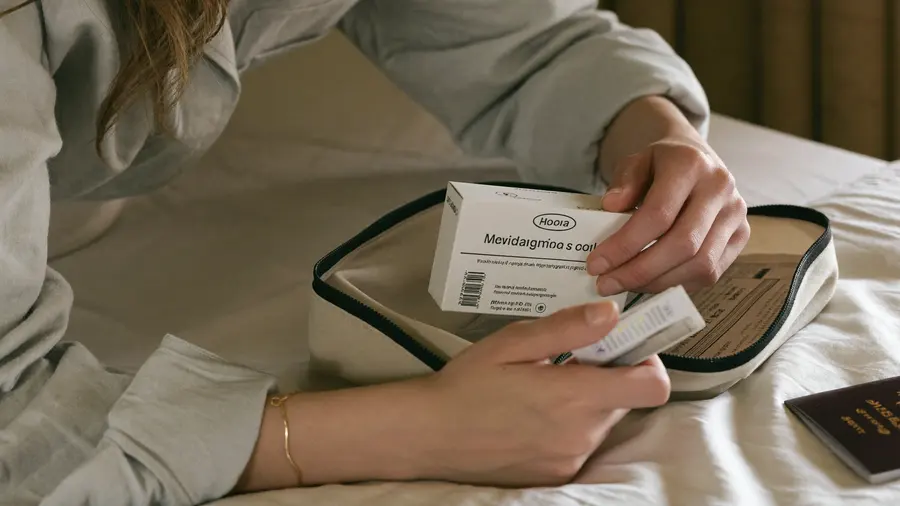
Loose tablets in a daily organiser are the hardest thing for an officer to identify and the easiest to treat as suspicious. Keep medicine in its labelled box, the prescription with it, both in hand luggage.
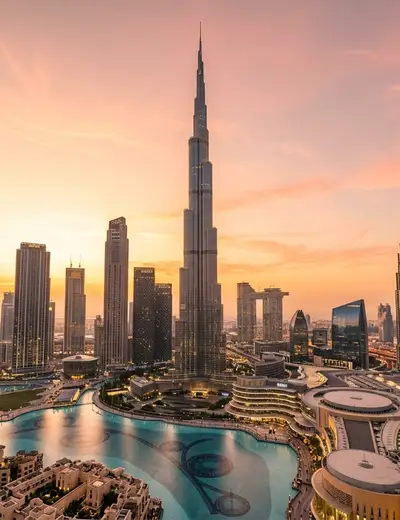
The Gulf lands in the same place by a different route. In the United Arab Emirates, controlled medicines may be pre-approved before arrival; anyone who has not applied must declare them at the port with a prescription and a medical report. Products containing cannabidiol are illegal there outright, which catches people out because CBD now turns up in skincare, supplements and vape refills sold routinely at home.
The things to look up are consistent: strong painkillers, attention-deficit medication, sleeping tablets, anxiety medication, and anything containing pseudoephedrine or CBD. Start with the International Narcotics Control Board's country-by-country page.
The Vape in Your Pocket
Nothing here is carried through customs as thoughtlessly. A vape is a pocket item, unremarkable in much of the world, and banned outright in several popular destinations.
In Thailand it is illegal to possess or use any vape, e-cigarette, pod, e-liquid or heat-not-burn device, with no exception for tourists. The UK's travel advice notes that offences can bring confiscation, a fine, detention and court proceedings — and that you may have to stay in the country until the case ends. Singapore has prohibited the purchase, possession and use of e-vaporisers since 2018; foreigners convicted are deported and barred from returning. India prohibits their import, transport and storage under its 2019 Act.
The Drone in Your Case
Drone rules are misunderstood in a specific way. Travellers plan around where they will fly, and the restriction is usually met much earlier — at the border, or in a registration they have not completed.
Morocco is the strict end: drones may not be imported, possessed or used without prior authorisation, and they are confiscated at customs. Europe is the bureaucratic end, and it surprises people who assume the EU is permissive. A visitor resident outside the EASA states must register as a drone operator with the aviation authority of the first member state they fly in, display that number on the aircraft, and pass the European online pilot examination — a qualification from home is not recognised (EASA). Register first, then read the rules on where flying is allowed.
The Camera in Your Hand
Photography splits into two unrelated problems that share a device: places, and people.
On places the pattern is consistent — military installations, vehicles, personnel, government buildings and border zones. Greece prosecutes photographing or filming military sites, and its travel advice warns visitors away from military buildings and vehicles including at airports, and from pictures in militarily sensitive border areas. Morocco asks visitors not to photograph palaces, diplomatic missions or government buildings.
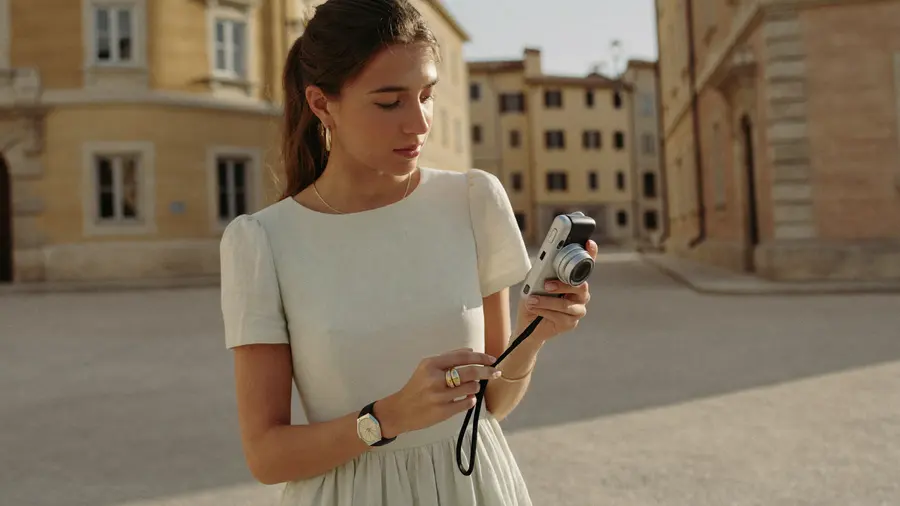
The reflex worth building is not a list of forbidden subjects. It is a pause — at anything guarded, official or near a border, and at anyone who has not been asked.
On people, the United Arab Emirates is the firmest example of a rule that exists widely. It is an offence there to photograph people without consent, including those who appear in the background, and publishing such images is a separate matter under the cybercrime framework. Both the UK and US advisories warn it can lead to arrest.
Alcohol, and Where It Is Allowed
The question is rarely whether a country permits alcohol. It is where, and under what arrangement. The United Arab Emirates makes the distinction sharply: alcohol is served in licensed hotels, bars and restaurants, and residents need a licence to buy it to drink at home — but it is an offence to drink, or to be under the influence of alcohol, in a public place anywhere in the country, and in the Emirate of Sharjah it is prohibited altogether. British nationals have been arrested under these provisions, usually after coming to police attention for something else first. The lesson travels beyond the Gulf: look the rule up for the city, not the country.
What You Wear, and Where
Dress rules come in two forms, and only one is about religion. At religious sites, covered shoulders and knees is close to universal, shoes usually come off, and some places ask for a head covering. That is etiquette backed by refusal of entry, and a light scarf handles it.
The second form is law. Saudi Arabia's public decency provisions require modest dress in public for everyone — shoulders and knees covered, no clothing carrying offensive images or slogans, and men are expected to keep a shirt on. Breaching it carries a fine, and the rules are published on the official tourism site.
A dress code is not always a formality at the door. In some countries it is written into law and applies in the street.
What You Post
A phone in your hand abroad is a publishing house operating under someone else's law, and this category has grown fastest.
Thailand's provisions on the monarchy are the example to know before arriving. A critical, threatening or defamatory comment about the royal family is a criminal offence carrying a prison sentence of up to fifteen years per offence, the law is interpreted broadly, and people have faced charges for sharing articles online. Intentionally defacing images of members of the royal family — on banknotes, for instance — can fall under it. Thai travel advice also warns that posting images of people drinking, or dressed inappropriately, can be an offence for whoever uploaded them and for those pictured.
The Paperwork Nobody Mentions
The last category is the least dramatic and the most avoidable. It has two halves: proving who you are, and telling someone where you are staying.
On identity, several countries expect documents on demand. Foreign nationals in Japan must carry a passport or residence card, and police may stop and ask; without it you may be taken in while your status is confirmed. Italy requires you to be able to show identification at all times, and police normally want the passport itself if you are stopped while driving. In Spain you must provide photo ID on request — and ignoring a direct police instruction is itself an offence, a far more common way to get into difficulty than the ID rule.
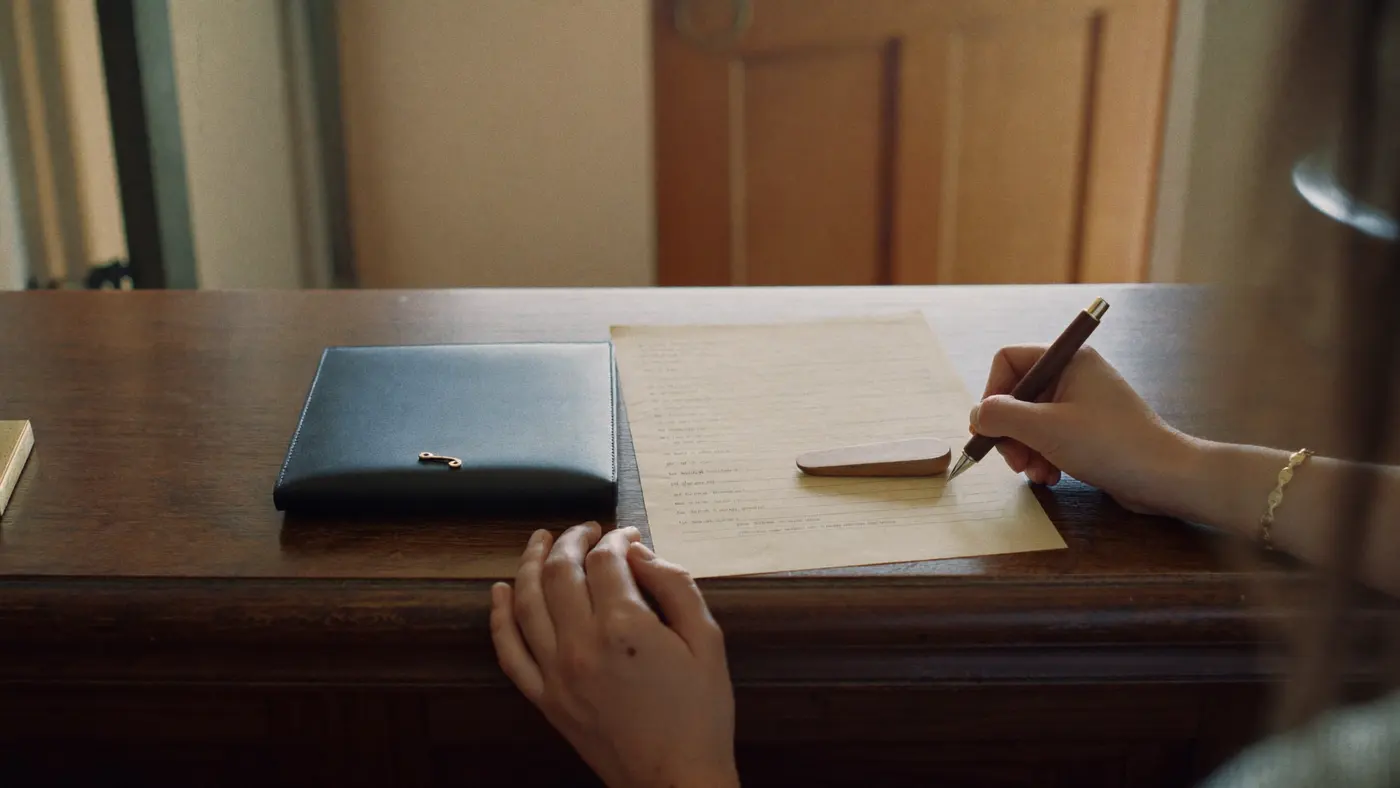
Registration is a genuine trap in the age of short lets. Every foreign visitor to Vietnam must have their address registered with the local police within a day of arriving; a hotel does it at check-in, while a private host is required to do it and does not always know. Russia requires registration for stays beyond a week of working days, and expects evidence of it at passport control on the way out. Neither is difficult, and both are hard to fix from the departures hall.
Five Things That Catch People Out
- "It was prescribed to me." A prescription is permission within the system that issued it. The country you are entering keeps its own list.
- Transit counts. India's rules on satellite phones and satellite-enabled navigation devices apply even to travellers merely passing through.
- The item you forgot you own. A vape in a side pocket, a cycling GPS, a drone in a hard case. Nothing about the offence depends on whether you remembered.
- The photograph taken politely. Asking the person in front of you is good manners. It does not cover the family behind them, who are also in the frame.
- The registration your host was going to do. The obligation sits with you as much as with them, and it is checked when you leave rather than when you arrive.
How to Check Before You Fly
Fifteen minutes, once, a couple of weeks out. The order matters, because each step narrows what the next has to cover.
-
Read your own government's travel advice
Written for your nationality, and its local laws section is the fastest survey of everything above. For UK travellers that is foreign travel advice; most countries publish an equivalent.
-
List what you are actually carrying
Medicine, vape, drone, anything with a satellite receiver. Check each against the destination's embassy, not against a forum.
-
Handle medicine separately
Start with the INCB country regulations, confirm with the destination's health ministry, and apply for a permit where one exists.
-
Save the evidence where you can reach it
Permit, approval eMail, prescription, medical report — on the phone, and printed with the item.
-
Check again shortly before departure
Vaping bans, drone rules and entry requirements have all moved quickly. A check made months ago was made under different rules.
Common Questions
Does a Prescription from Home Protect Me?
It helps and it is not sufficient. Most countries expect a prescription, often translated, and many limit how much you may carry. But a prescription cannot make a substance legal where it is prohibited — Japan is explicit that treatment is not an exemption.
Do These Rules Apply if I Am Only Transiting?
Often, yes. Customs regimes generally apply to anything entering the territory, whether or not you meant to leave the airport.
What Can My Embassy Actually Do?
Consular staff can visit you, provide a list of local lawyers, contact your family and check you are treated no worse than a local national. They cannot get you released, pay a fine, give legal advice or set aside local law — the US State Department and its counterparts set the limits out in similar terms.
Is Any of This Different in Europe?
Different in shape, not in principle. The categories that bite there are the quieter ones: identity documents you must produce on request, drone registration before a first flight, and photography near military and border installations.
The Short Version
Read the local laws section of your own government's advice, list what you are carrying and check each item with the destination's own authority, and keep the paperwork with the thing it belongs to. Everything above is a variation on somebody skipping that.
One practical note. Every check assumes you can get online at the moment you need it — the advice page at the gate, the permit in your eMail at the desk, the confirmation you want to show at passport control. That moment is usually on arrival, before you have found the wifi. If connectivity is on your list, see what a plan costs for where you are going, work out how much data you need, and read how an eSIM works if it is your first.
Arrive already connected So the advice page, the permit and the confirmation are with you before you reach the desk.